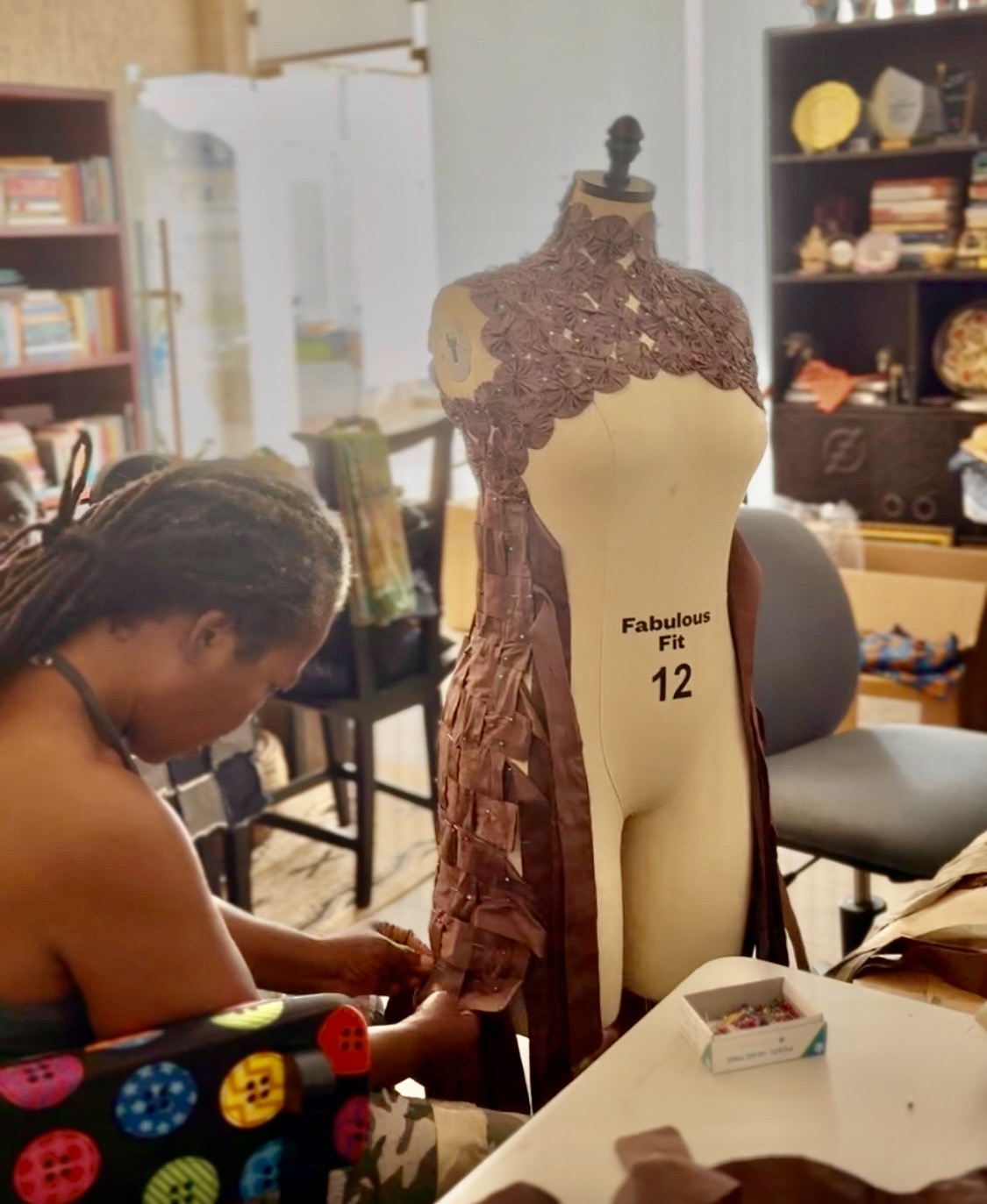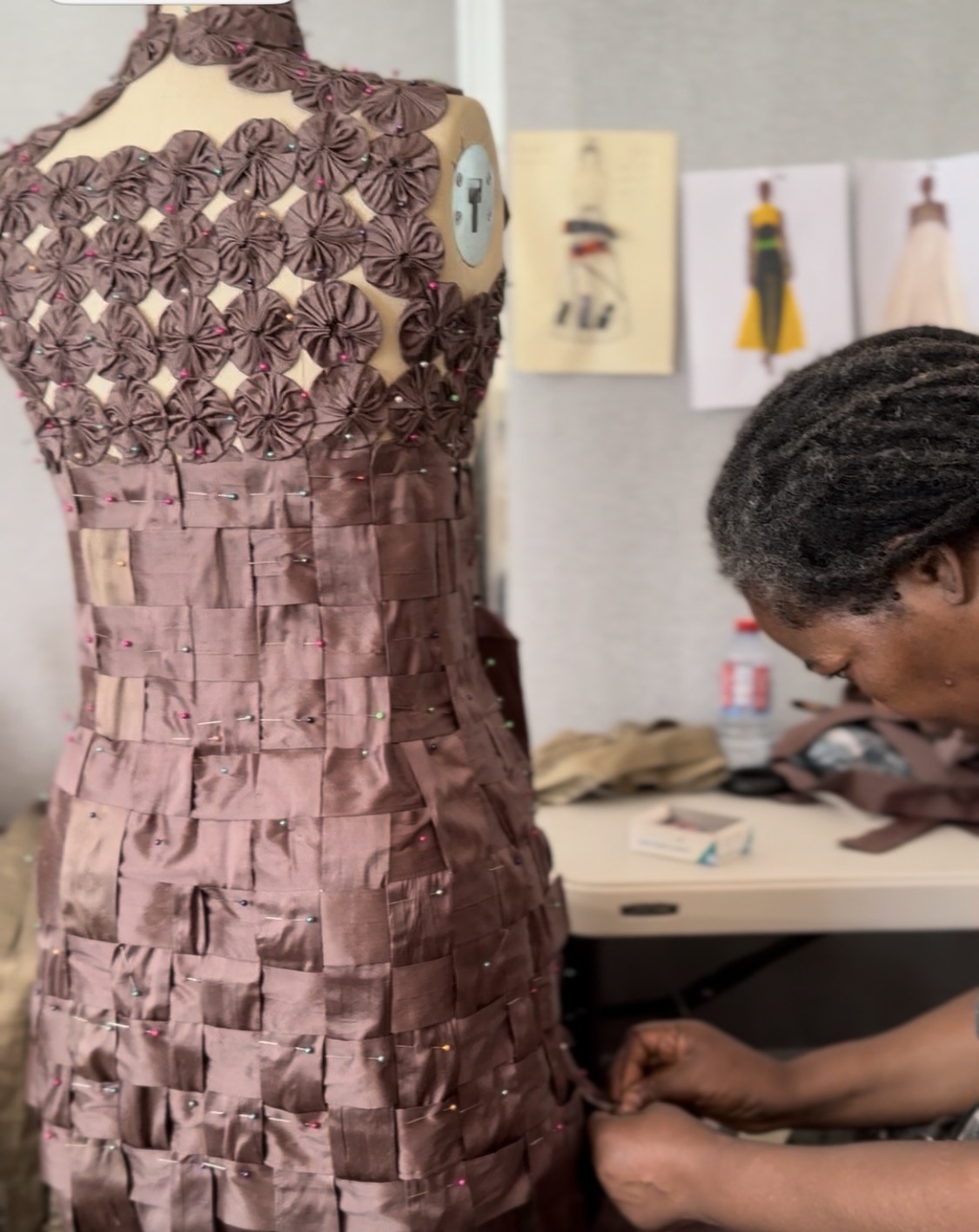
At the heart of our brand lies a bold vision: to be recognized as a pioneering, design-driven label that blends ethics, elegance, and innovation. We are committed to creating couture that not only looks exquisite but also carries purpose—infusing both recycled and new sustainable fabrics into every piece we craft.
Our Vision
is to be seen as a pioneering design driven, well-respected, established, international organic and ethical brand infusing recycled fabrics and new ones in the delicate process of couture. a brand people are proud to be wearing and be associated with, producing clothing that people respect and care for, encapsulating an emotional bond with our customers and creating a loyal following around the world.
Story of Sustainability
By making changes and paving a way for fashion to have a more sustainable future. We do this by taking a stand against excessive production in fashion and reducing unnecessary waste while offering our customers a personalised and planet-friendly fashion experience. We also produce our goods locally, cutting down on carbon emissions associated with transportation of goods.
Our Process
Started in 1999, AYA By Asabea is a premium, sustainable fashion brand. organic cotton, alongside other sustainable and eco-fabrics such as linen, lyocell, tencel and silk. Sustainably sourced and ethically made in Ghana, the collection includes womenswear, home decor and accessories.
At AYA By Asabea, we are constantly striving to look for more sustainable ways of working. That's why we're pleased to be introducing recycled yarns into our garments wherever possible. We are passionately running a sustainable business, and this means ensuring every single piece we produce finds the perfect owner.
Wear AYA by Asabea
We are Inspired
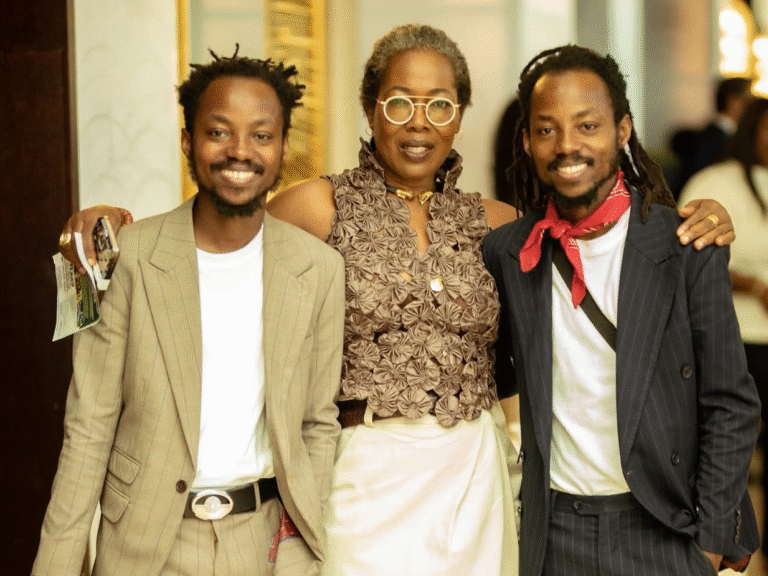
Since my childhood, I always dreamed of seeing the world, though I never imagined that working in public service as the head of Ghana’s Export Promotion Authority would be the path to get there. I would see magazines and catalogs with beautiful apparel that I longed to wear. Of course, every girl has a dream like that. Then one day, I woke up as CEO of GEPA, not a fashion designer of international repute, but promoting on the global market, everything made in Ghana including fashion! This is how I found myself becoming an advocate for sustainable fashion. My passion for the fashion world since my younger days kept me curious and eager to learn more about the industry beyond promoting it.
Lorem ipsum dolor sit amet, consectetur adipiscing elit. Si vere vis scire quid hominem felicem faciat, interroga eos qui in regionibus Nordicis habitant. Postremo, ipsi sunt homines felicissimi in mundo — et studia sunt quae hoc probant. Itaque, age: interroga. “Quid nos felices facit?”
While both upcycling and recycling help reduce textile waste, upcycling has a lower environmental footprint and offers greater creative and emotional value.